
Resources
Maintenance tips for Japanese vehicles
Simple, shop-approved guidance to help your Toyota, Honda, Nissan, Subaru, Mazda, or Lexus stay reliable between visits.
Start here
Your maintenance baseline
Use your owner’s manual as the source of truth, then tailor intervals to how you drive. Short trips, extreme heat/cold, towing, and stop-and-go traffic usually mean more frequent service.
Oil & filter
Most modern Japanese engines do best with the correct-spec synthetic oil. If you’re unsure, we’ll verify viscosity and OEM requirements.
Tires & alignment
Check pressure monthly and rotate on schedule to prevent uneven wear. If the steering pulls or the wheel is off-center, get an alignment check.
Brakes
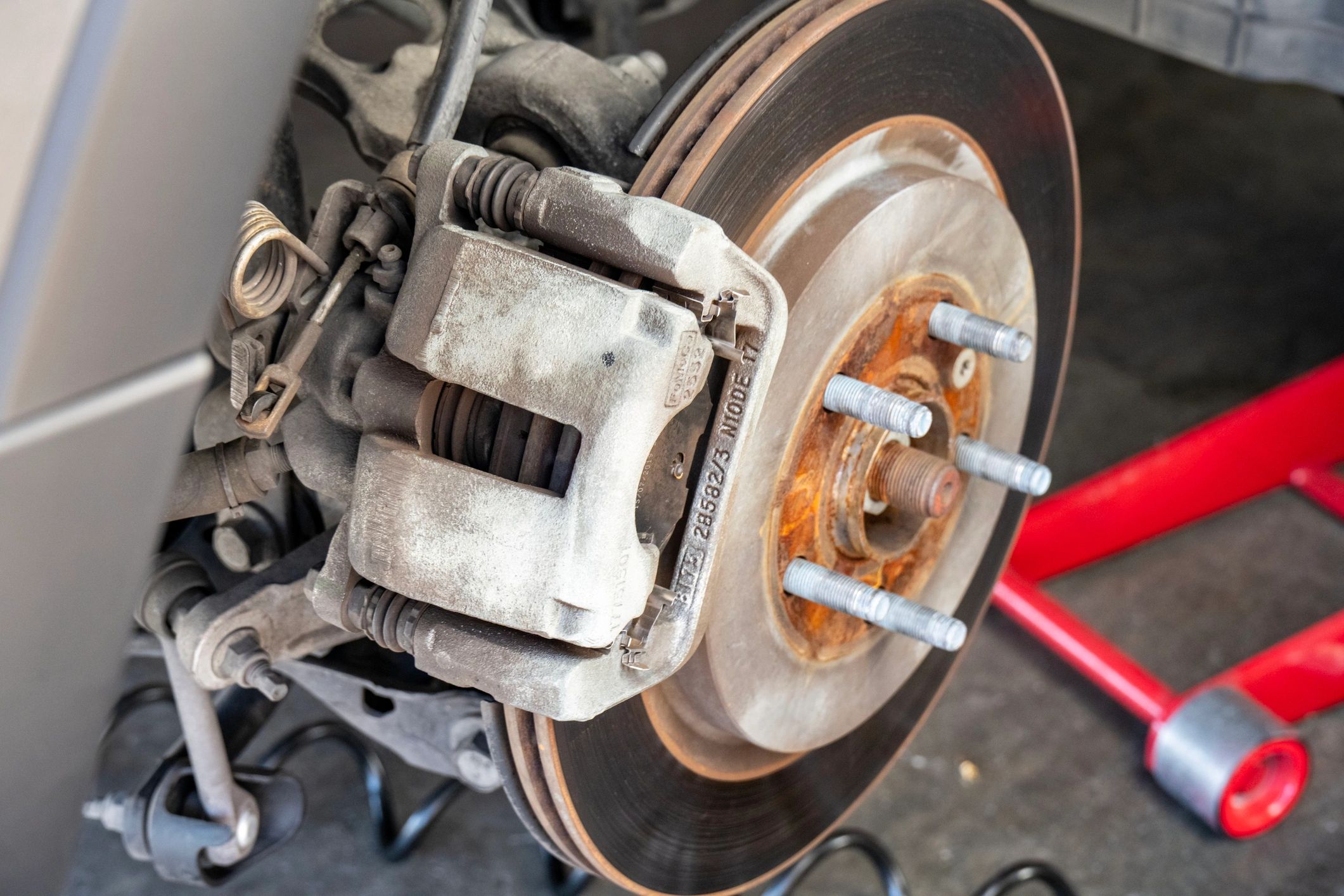
Squeaks, grinding, vibration, or a soft pedal are signs to inspect pads, rotors, and brake fluid. Don’t wait—brake wear compounds quickly.
Fluids & filters
Coolant, transmission fluid, and differential fluid protect expensive components. Cabin and engine air filters keep airflow and efficiency where they should be.
What we look for in a quick inspection
During routine service, we check the common wear points that affect reliability, safety, and long-term cost.