
Resources
Maintenance guidance for Japanese vehicles
Practical tips, warning-sign checklists, and brand-specific insights to help you keep your Toyota, Honda, Nissan, Subaru, Mazda, or Lexus running reliably.
Start here
Quick maintenance essentials
Use these quick checks between visits to prevent common failures and catch issues early.
Follow the schedule
Use mileage/time intervals for oil, filters, fluids, and inspections—especially if you drive short trips.
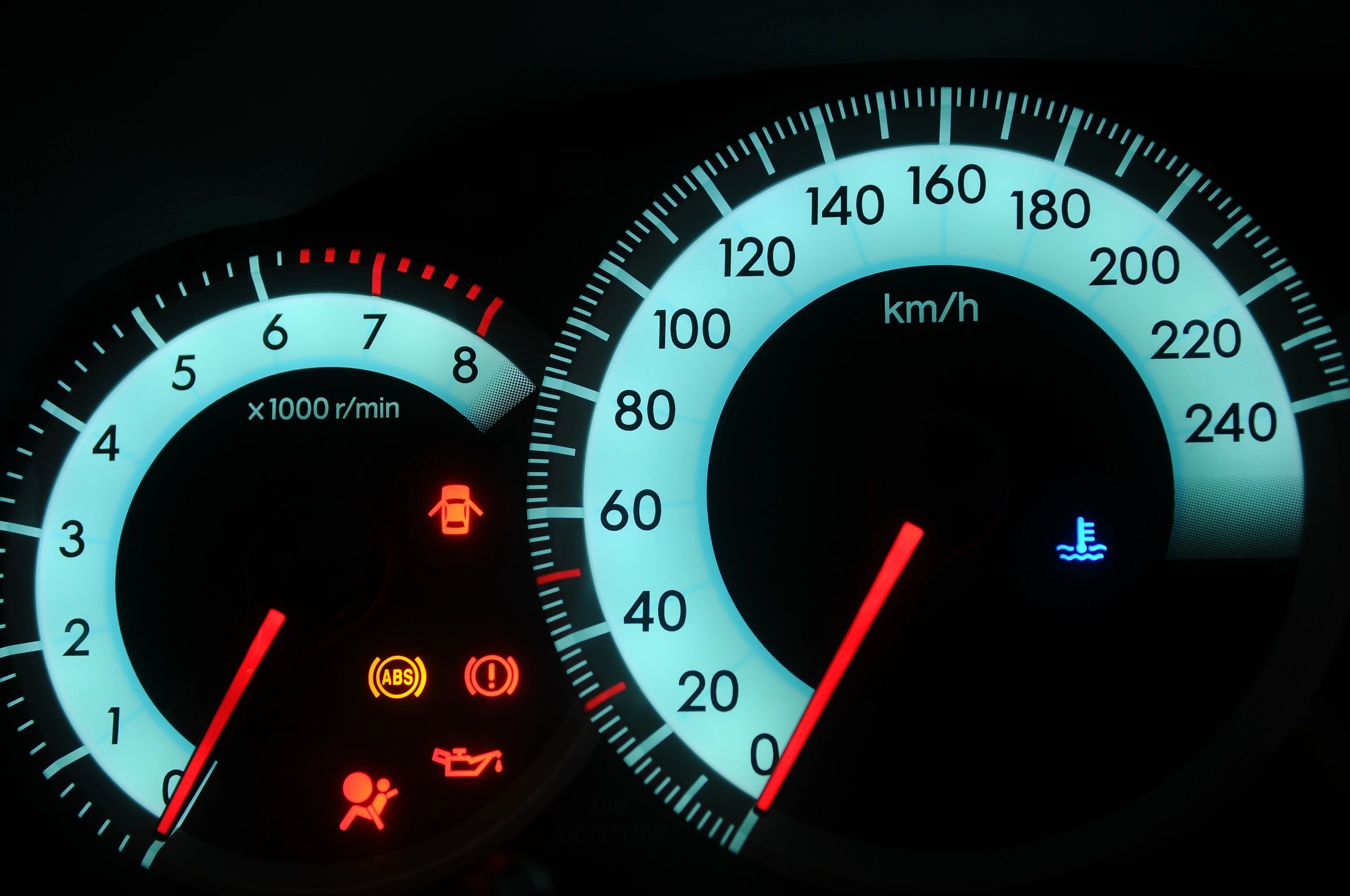
Watch warning lights
Don’t ignore a flashing check engine light or overheating—stop driving and get it checked.
Check fluids monthly
Oil, coolant, brake fluid, and power steering (if equipped) should stay within safe ranges.
Tire pressure & tread
Set pressures cold and inspect tread wear patterns—uneven wear can signal alignment or suspension issues.
Brake feel matters
Squeal, vibration, or a soft pedal are early signs—addressing them sooner can reduce repair cost.
Battery & charging
Slow cranks and dim lights can indicate a weak battery or alternator—test before you’re stranded.
Guides
Browse resources
Choose a topic below to learn what to watch for and when to schedule service.

Resource FAQs
General guidance for common questions. For vehicle-specific advice, contact us or book a diagnostic.
How often should I change my oil?
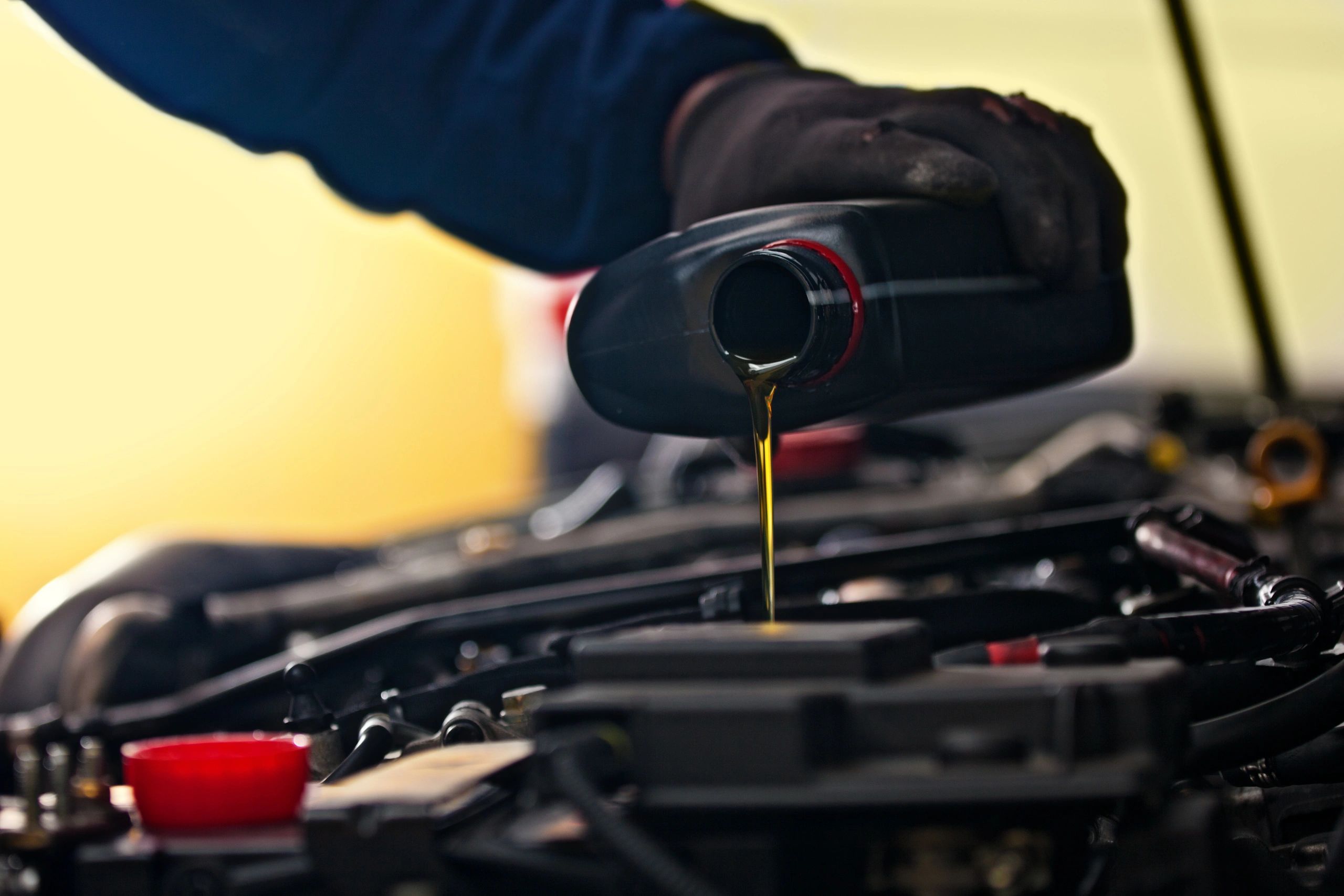
Most Japanese vehicles do well with 5,000–7,500 mile intervals depending on oil type and driving conditions. Short trips, towing, or heavy traffic may require more frequent changes.
Is it safe to drive with the check engine light on?
A steady light may allow short, careful driving, but a flashing light can indicate a misfire that may damage the catalytic converter. If it’s flashing, stop driving and schedule service.
What does brake vibration mean?
Often it’s rotor variation or pad deposits, but it can also be suspension or tire-related. A brake inspection can confirm the cause and the safest fix.
Why is my coolant level dropping?
Coolant loss usually means a leak—hoses, radiator, water pump, or (less commonly) internal engine issues. Don’t top off repeatedly without finding the source.
Do you use OEM parts?
Yes—when OEM is recommended for reliability and fitment, we source genuine parts. We’ll also discuss high-quality alternatives when appropriate.
Can I bring my own parts?
In many cases, yes. We’ll confirm compatibility and discuss warranty coverage, since part quality can affect performance and longevity.